Food-Grade Plastic Bags, as the name suggests, must be produced under clean conditions. The plastic itself is required to be safe. There are not many varieties of such plastics, and common materials include PET, PVC, PE, and PP. However, non-food-grade plastics may use chlorinated organic compounds in raw material selection. Chlorinated organic compounds are prohibited in food-grade plastic bags as they are harmful to the human body.
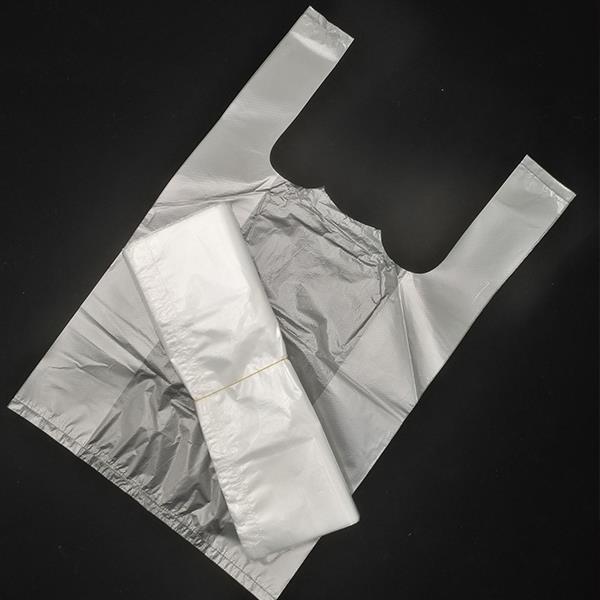
Food-Grade Plastic Bags and non-food-grade plastic bags have significant differences:
1. Fundamental difference in raw materials: Ethylene is safe and odorless. Plastic bags made purely of polyethylene are very safe for use. However, fillers, recycled materials, etc., may be added to the raw materials. Therefore, whether the raw material is brand-new (i.e., pure raw material) is the fundamental difference between food-grade and non-food-grade plastic bags.
2. Production environment: Plastic bags used for packaging food need to be produced in an almost dust-free environment to ensure product qualification. Thus, there are high standards for the production environment. In contrast, non-food-grade plastic bags have no strict requirements for production environment.
3. Food-grade plastic bags have strict inspection systems and comprehensive after-sales services. Therefore, when purchasing food-grade plastic bags, it is necessary to choose regular enterprises with QS certification to ensure product quality.
Article Title: The Difference Between Food-Grade Plastic Bags and Non-Food-Grade Plastic Bags URL: https://en.szxylp.com/news/company-news/the-difference-between-food-grade-plastic-bags-and-non-food-grade-plastic-bags.html