Since their invention, plastic bags have been widely used due to their light weight and excellent performance. Among them, the development of plastic bag materials is the fastest—plastic bag materials account for 41% of domestic waste, and this type of waste is actually "permanent" and cannot be degraded. How to face and handle plastic bag waste has become a global environmental issue. In addition, in recent years, the shortage of resources and the grim environmental situation have become increasingly severe. How to reduce dependence on petroleum resources, implement a circular economy, and maintain sustainable development has become a global hot topic in the plastic bag industry.
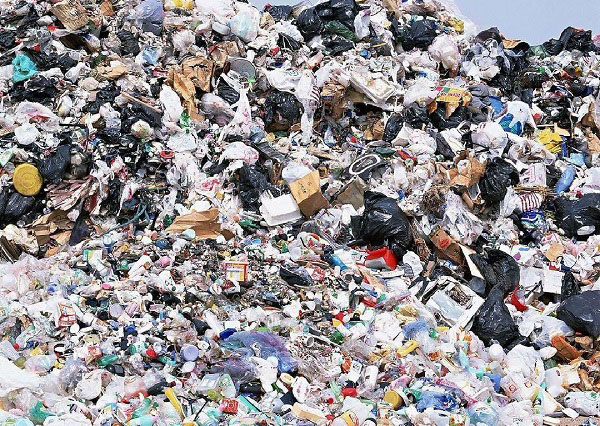
The massive use of plastic bags not only consumes a large amount of petroleum resources but also releases a great deal of carbon dioxide when burned because they cannot degrade naturally, partially causing and exacerbating "white pollution" and the "greenhouse effect". To purify the surrounding environment and eliminate plastic bag waste, people have made efforts to reduce pollution through the following methods: first, sanitary landfilling (burying garbage with soil); second, waste utilization. Although sanitary landfilling can significantly alleviate environmental pollution, it passes the heavy responsibility of environmental protection to the next generation. Waste utilization is a more feasible method. Three main ways to degrade plastic bag waste have emerged worldwide: incineration for heat energy, recycling and reuse, and natural degradation. Recycling and reuse involve recovering usable plastic bags from garbage, which goes through processes such as sorting, cleaning, drying, and crushing, and finally processed into products. Although it consumes a certain amount of manpower and material resources, it can improve the environment to a certain extent. Regarding issues such as how many times these plastic bags can be recycled and processed, and how to dispose of them when they can no longer be recycled, experts suggest that a large number of plastic bags that can be naturally degraded, recycled and reused, and harmless to nature and the biological world should be developed and produced. This is the most fundamental solution to the "plastic bag waste" problem.
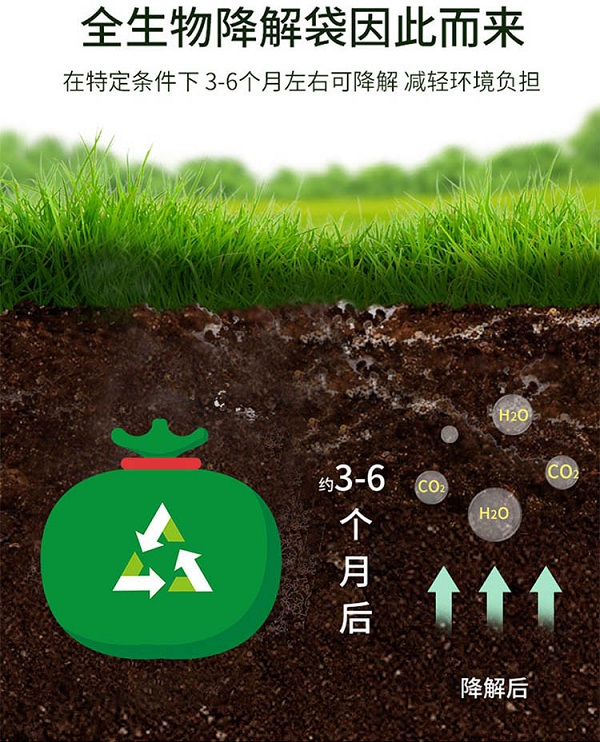
The development of naturally degradable plastic bags to replace commonly used ordinary plastic bags became a hot topic in the 1990s. However, due to cost and technical issues, the development of degradable plastic bags was slow at that time. In recent years, with the progress of raw material production and degradable plastic bag processing technology, degradable plastic bags, especially biodegradable plastic bags, have received renewed attention and become a highlight of sustainable and circular economic development.
Whether considering energy substitution, carbon dioxide reduction, environmental protection, or partially solving the "Three Rural Issues" (issues related to agriculture, rural areas, and farmers), the development of degradable plastic bags is necessary and very meaningful.
Article Title: The Significance of Degradable Plastic Bags URL: https://en.szxylp.com/news/company-news/the-significance-of-degradable-plastic-bags.html