Eco-friendly Bag material selection is a complex issue involving materials science, environmental engineering, and consumer behavior. Its main materials can be summarized into two major categories: reusable traditional materials and biodegradable plastic materials.
I. Durable and Reusable Eco-friendly Bag Materials
This type of eco-friendly bag emphasizes durability and high reuse count, aiming to minimize the demand for single-use plastic bags and their carbon footprint by extending the product lifecycle.
| Material Type | In-Depth Analysis | Recommendation | Considerations |
| Non-woven fabric | Fibers such as Polypropylene (PP) or Polyester (PET) bonded together by mechanical, thermal, or chemical methods. Its environmental friendliness depends on the fiber material and ultimate recycling. | Lightweight, cost-effective. Suitable for daily shopping and promotional use. Note that durability may decrease after multiple washes, and it must eventually enter the recycling system. | Many regions have clear guidelines for recycling such bags; confirm local recycling conditions. |
| Natural Cotton | Natural fiber, skin-friendly, fully biodegradable. However, the significant water consumption and pesticide use in traditional cotton cultivation are its main environmental controversies. | Suitable for situations requiring frequent washing or a soft touch. Recommended to choose Organic Cotton to reduce the environmental impact of the cultivation phase. | Look for products certified by authoritative bodies like GOTS (Global Organic Textile Standard). |
| Canvas / Denim | Typically thick cotton or linen fabric. Its sturdiness and extremely long service life significantly increase the reuse rate. | Suitable for carrying heavy items or occasions requiring a sense of style. The initial production carbon footprint is high, so frequent reuse must be ensured to realize environmental value. | Given its durability, focus on whether the brand offers trade-in or repair services to extend the product lifecycle. |
| Hemp/Linen | Natural resilient fiber; the growth process typically requires less water than cotton and little pesticide. Recognized as one of the natural materials with low environmental impact. | Breathable, antibacterial, suitable for food and daily necessities. Usually more expensive than cotton but more durable. | Hemp fiber cultivation and processing should comply with sustainable agricultural practice standards. |
| Specialty paper | Emphasizes the use of Recycled Paper or virgin paper from sustainably managed forests (FSC certified), using biodegradable, eco-friendly inks. | Mainly used for gift or FMCG packaging; low water resistance and durability. Users must ensure it can enter the paper recycling stream even if damp. | Ensure the paper source is certified by the FSC (Forest Stewardship Council) or other official certifications. |
II. Biodegradable Plastic Bag Materials
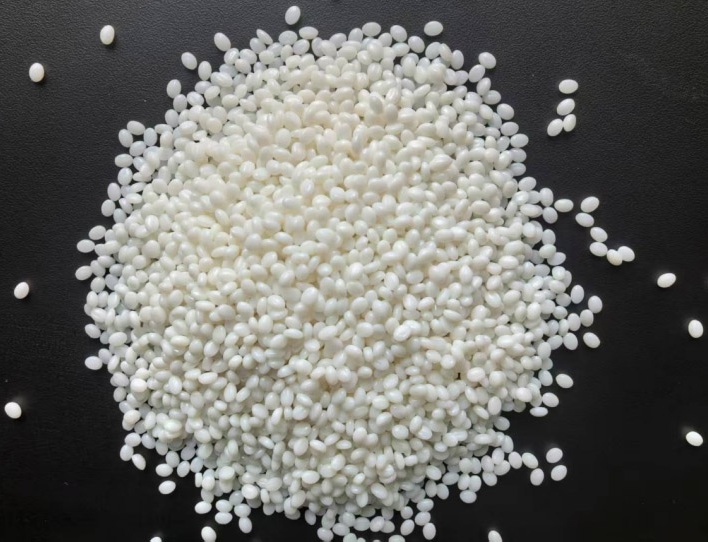 PBAT
PBAT
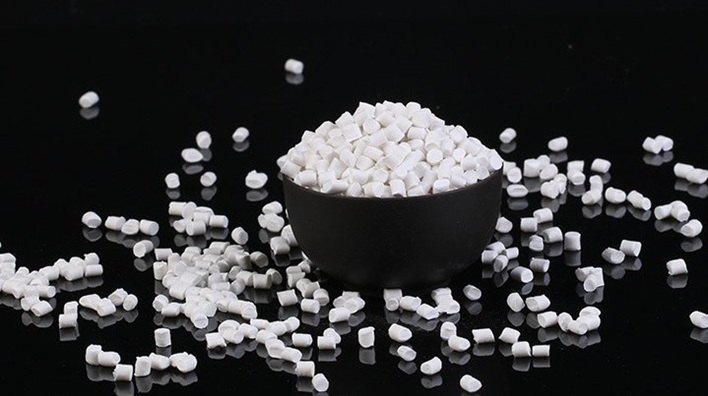 PLA
PLA
The core advantage of Biodegradable Plastic Bags lies in their end-of-life treatment: under specific industrial composting conditions, they can rapidly decompose into water, carbon dioxide, methane, and biomass, avoiding long-term plastic pollution.
| Material Type | In-Depth Analysis | Disposal Recommendation | Key Points |
| PBAT (Poly(butylene adipate-co-terephthalate)) | Petroleum-based biodegradable material, good flexibility, often used to improve the flexibility of rigid materials like PLA. One of the most commonly used degradable film materials. | Degradation Conditions: Typically requires temperatures above 58°C in industrial composting facilities for efficient decomposition. Should not be littered in the natural environment. | Must obtain industrial composting certification, such as Europe's EN 13432 or the US's ASTM D6400. |
| PLA (Polylactic Acid) | Made from fermenting renewable resources (corn, sugarcane starch), with a lower carbon footprint. Good transparency and rigidity, but poor flexibility, often compounded with PBAT. | Degradation Conditions: Also requires a professional composting environment. Decomposes very slowly under ordinary natural conditions. Suitable for fresh food trays, disposable tableware, etc. | Focus on the renewable proportion of its raw materials and whether it is clearly labeled as industrially compostable. |
| PHA (Polyhydroxyalkanoates) | Natural polymers produced by microbial fermentation; one of the few materials that can degrade in the natural environment (e.g., soil, seawater). | Degradation Advantage: Considered next-generation eco-friendly plastic, with the potential to degrade well in different environments. Currently higher cost, relatively small application scale. | Cutting-edge technology; pay attention to official evaluation reports on its degradation efficiency and safety from relevant research institutions and governments. |
| Starch-based materials | Made by compounding starch with other biodegradable polymers; partially soluble in water or degradable in a short time. | Disposal Challenge: Degradation efficiency and conditions vary greatly. Consumers need to distinguish between "fully biodegradable" and "high starch content" materials, as the latter may only partially degrade. | Labels should clearly state the starch percentage and whether it is industrially compostable or home compostable. |
III. Weighing Options and Making Choices: Considerations for the Most Eco-friendly Strategy
💡 Authoritative Perspective: Evaluation from a "Circular Economy" Viewpoint
Choosing the "most eco-friendly bag" is not a simple matter of material but a complex decision involving Life Cycle Assessment (LCA).
-
Re-evaluation of Recyclable Plastics (PE, PP):
-
PE (Polyethylene) and PP (Polypropylene) are traditional petroleum-based plastics. If it can be ensured that they are 100% collected and enter a closed-loop recycling system, their carbon footprint, in some scenarios, might be lower than that of "eco-friendly" or "biodegradable" bags used only once and then discarded.
-
LCA Conclusion: The carbon emissions from producing one heavy reusable canvas bag may be equivalent to hundreds of single-use PE plastic bags. Therefore, reusable bags must be reused a sufficient number of times (typically over 50-100 times) to truly realize environmental benefits.
-
⚖️ Trustworthy Conclusions and Recommendations
| Usage Scenario | Best Choice & Recommendation | Key Environmental Point |
| Daily Repeated Shopping | Durable natural fibers (organic cotton, canvas, hemp/linen) or sturdy PP/PET non-woven bags. | Maximize the number of reuses. Once damaged, prioritize repair or using it as a cleaning cloth before finally placing it in the appropriate recycling stream. |
| Single-use or Fresh Produce Items | Certified industrially compostable biodegradable plastic (e.g., PBAT/PLA composite bags). | Correct disposal method. Ensure the waste can enter an industrial composting facility with processing capabilities, not general waste or the natural environment. |
| No Specific Purpose | Recyclable plastic (PE/PP) film bags with a lower gram weight. | Ensure complete recycling. The most important thing is to establish an efficient recycling system to prevent them from entering landfills or the natural environment. |
Final Recommendation: Regardless of the material chosen, "reducing usage" and "ensuring proper disposal/recycling" are the core to achieving environmental goals. Consumers should make the most responsible choice based on their own usage habits and local recycling and composting infrastructure.
Article Title: A Complete Comparison of Eco-Friendly Bag Materials and Sustainable Choice Strategies URL: https://en.szxylp.com/technical-data/a-complete-comparison-of-eco-friendly-bag-materials-and-sustainable-choice-strategies.html