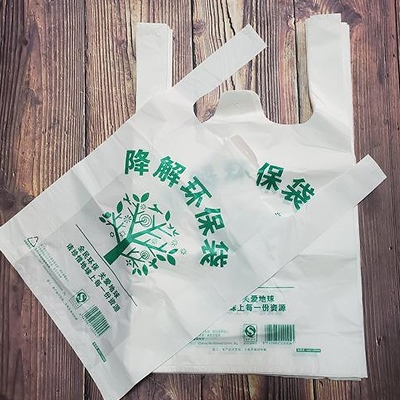
We cannot live without plastic bags in our lives, but these non-degradable bags are environmental killers. To solve this problem, biodegradable plastic bags have been developed. Next, let's take a look at the two major categories of biodegradable plastic bags. If you don't know, hurry up and analyze and understand with Sayru Technology!
1. Plastic Bags Made from Bacteria
Researchers have found that in terms of material value, the team adjusted the approved standards of Schumaker family injectite and cultivated halophilic bacteria. These are common agricultural and sideline products, including corn, wheat bran, starch, etc. In terms of raw materials, halophilic bacteria are used to make plastic bags.
In addition, the plastics produced by halophilic bacteria contain a relatively high proportion of PHA (polyhydroxyalkanoates) in their main components, so these plastic bags can decompose as long as they are in a microbial environment. Compared with starch-based plastics currently on the market, plastic bags made from halophilic bacteria are harder and can meet the needs of some special occasions.
2. Starch-Based Plastic Bags
Biodegradable plastic bags are completely decomposed by microorganisms within four months, which is remarkable in terms of environmental protection. So what are the raw materials for making biodegradable plastic bags? It is reported that the raw materials of biodegradable plastic bags come from nature. Scientists source raw materials from starch-rich crops, extract starch from agricultural products such as corn and potatoes, then convert starch into glucose and extract lactic acid, and further extract polylactic acid from lactic acid to make these polymers into plastic bag materials.
That's all for the classification of biodegradable plastic bags. Follow Sayru Technology to timely obtain more shared knowledge about biodegradation!
Article Title: Two Major Categories Of Biodegradable Plastic Bags? URL: https://en.szxylp.com/news/company-news/two-major-categories-of-biodegradable-plastic-bags.html