The raw materials used in biodegradable products are PLA (Polylactic Acid) and PBAT (Polybutylene Adipate Terephthalate), which are mainly applied in producing milk tea bags, medical bags, and biodegradable shopping bags for supermarkets and stores. Today, the team at Shenzhen Sayru Technology Co., Ltd. is here to share insights into the source and degradation performance of these raw materials for biodegradable milk tea bags—read on for valuable details!
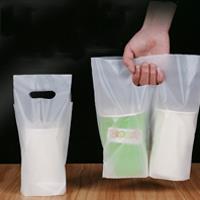
Source and Degradation Performance of Raw Materials (PLA & PBAT)
1. PLA (Polylactic Acid)
As a representative bio-based material, PLA is synthesized from renewable biological resources such as corn, sugar beets, sugarcane, and aged rice. Recent research has expanded its raw material sources: it can be produced using lactic acid derived from household waste fermentation, or cellulose extracted from agricultural residues (e.g., crop straw) and forestry waste, which is then saccharified and fermented into lactic acid for synthesis. PLA is a colorless, transparent thermoplastic polymer with a melting point of approximately 175℃. Compatible with conventional plastic processing technologies (e.g., extrusion and injection molding), it can be extruded into sheets for trays, as well as manufactured into films, fibers, and food packaging materials.
2. PBAT (Polybutylene Adipate Terephthalate)
PBAT is an aliphatic-aromatic random copolyester with a tailored macromolecular structure, composed of monomers including adipic acid, terephthalic acid, and butanediol. It boasts excellent processability, enabling the production of various films and bento boxes. With properties similar to low-density polyethylene (LD-PE) and good flexibility, it can be processed on existing LD-PE equipment. As a high-performance biodegradable plastic for blown flexible films, PBAT also serves as an effective modifier for other biodegradable plastics (e.g., starch and PLA).
This analysis confirms that the raw materials for biodegradable milk tea bags fully meet industry standards and ensure reliable quality. For further inquiries, please contact Shenzhen Sayru Technology Co., Ltd. via our service hotline—our team is ready to assist!
Article Title: Analysis of Raw Materials for Biodegradable Milk Tea Bags URL: https://en.szxylp.com/technical-data/analysis-of-raw-materials-for-biodegradable-milk-tea-bags.html