Self-adhesive bags produced by plastic bag manufacturers feature a tearable plastic adhesive strip at the opening, covered by a small piece of plastic film when purchased. For sealing, simply peel off the film to expose the adhesive. Typically designed for one-time use, these bags are essential in daily life and widely applied across various industries, earning consistent praise for their convenience.
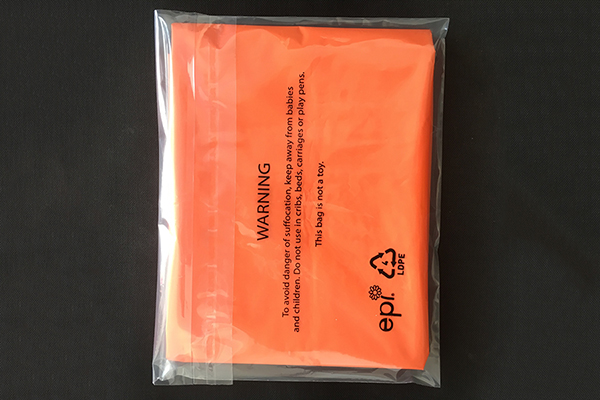
Self-adhesive bags are extensively used in packaging stationery, books, toys, paper products, office supplies, and other sectors, as they allow for manual packaging without the need for machinery. Also known as sticky bags, self-sealing bags, or adhesive-backed bags, they can be manufactured from multiple materials—including PE, PO, PP, OPP, and PVC—with PE and OPP being the most commonly used options.
1. PE (Polyethylene) Self-Adhesive Bags
PE-based self-adhesive bags are relatively soft, boasting excellent low-temperature resistance (usable at temperatures as low as -100℃ to -70℃) and good chemical stability, resisting corrosion from most acids and alkalis (except oxidizing acids). While their transparency is moderate (somewhat hazy), they offer high tensile strength and are less prone to tearing.
2. PP (Polypropylene) Self-Adhesive Bags
PP self-adhesive bags are rigid, transparent, and lightweight. They are flammable with a melting point of 165℃ (softening around 155℃) and can withstand corrosion from acids, alkalis, salt solutions, and various solvents below 80℃. However, PP decomposes under high temperatures and oxidation, and has lower tensile strength, making it more susceptible to tearing at the seams.
3. PO (Polyolefin) Self-Adhesive Bags
PO self-adhesive bags are brittle and rigid with low expansion rates, producing a crisp sound when crumpled. Their transparency is slightly lower than other materials—more opaque than PE with a faint milky hue—and they have moderate tensile strength. Nevertheless, they are highly durable, making them suitable for packaging small items.
4. OPP (Oriented Polypropylene) Self-Adhesive Bags
OPP self-adhesive bags offer high tensile strength, light weight, non-toxicity, odorlessness, environmental friendliness, and versatile applications. They are ultra-transparent, smooth, and flat, and can be processed into various types such as side-sealed bags, self-adhesive bags, header cards (paper card OPP self-adhesive bags, pearl film OPP header self-adhesive bags), composite bags, stand-up composite bags, zip-lock composite bags, three-side-sealed composite flat bags, and center-sealed composite bags.
5. PVC (Polyvinyl Chloride) Self-Adhesive Bags
PVC self-adhesive bags can be either soft or rigid, customizable to customer requirements. Transparency options include ultra-transparent, standard, and frosted variants. They exhibit high tensile strength and are resistant to tearing, as the two layers of material are mechanically bonded together.
The above outlines the differences in materials used for self-adhesive bags by plastic bag manufacturers. We hope this information proves helpful. For further details or inquiries, please contact our online customer service or call our service hotline (located at the top right corner of our website). We are committed to providing you with high-quality services!
Article Title: What Are the Differences in Materials Used by Plastic Bag Manufacturers for Self-Adhesive Bags? URL: https://en.szxylp.com/technical-data/what-are-the-differences-in-materials-used-by-plastic-bag-manufacturers-for-self-adhesive-bags.html