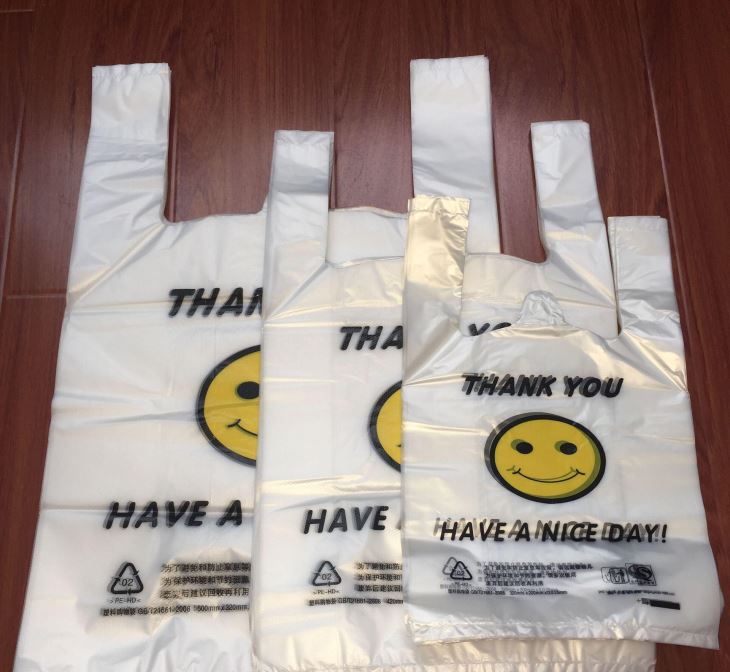
Supermarket advertising bags come in the following types:
Non-Woven Supermarket Advertising Bags
Made from non-woven fabric produced with plastics, their main raw materials are polypropylene (PP) or polyethylene terephthalate (PET). Compared to plastic bags, non-woven bags are far less durable and not waterproof, while being much more expensive. Additionally, non-woven bags made from two or more types of materials are extremely difficult to recycle and reuse.
Paper Supermarket Advertising Bags
As is widely known, paper has poor strength and water resistance, making it unable to package water-based products or heavy metal items. Moreover, the primary raw material for paper bags is wood, which constitutes a waste of environmental resources and contributes to water pollution.
Cotton-Linen Supermarket Advertising Bags
These bags have higher strength than paper ones and can be reused multiple times. However, their main drawback is poor water resistance.
Waste Paper Supermarket Advertising Bags
For packaging dry goods, moisture-containing products, meat, or other items, different raw materials are used in production based on specific application purposes.
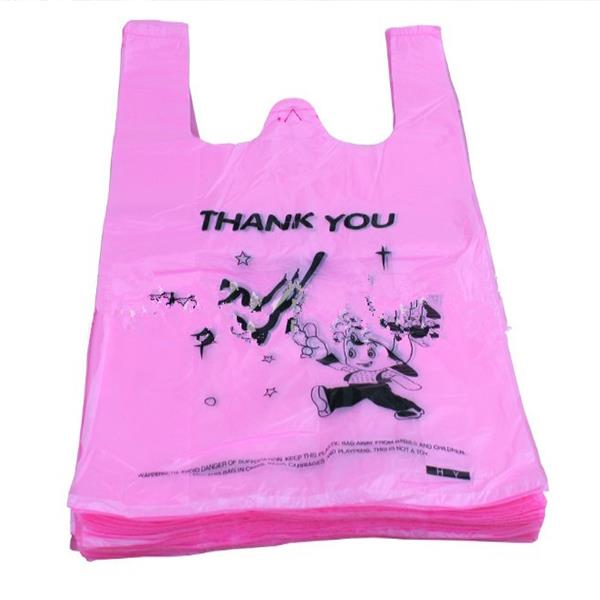
Degradable Supermarket Advertising Bags
Produced from degradable materials such as PBAT, PLA, and corn starch, these bags decompose rapidly in environments with suitable temperature, humidity, and bacterial activity. Meeting the standard of 90% degradation within 6 months, they are non-toxic and environmentally friendly, making them a common choice for large supermarkets in the current market.
Article Title: What Are the Types of Supermarket Advertising Bags? URL: https://en.szxylp.com/technical-data/what-are-the-types-of-supermarket-advertising-bags.html