There is a wide variety of plastic bags in daily life, but how much attention do we really pay to the plastics we use regularly? And what are the hazards of non-food-grade plastic bags?
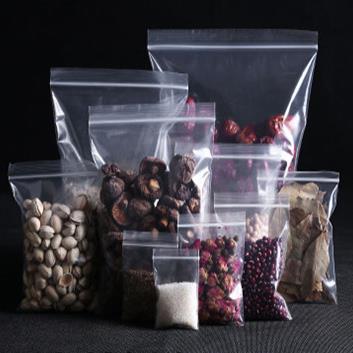
Let me ask you this: Do you directly put vegetables together with their plastic bags into the refrigerator after buying them? If so, I want to remind you to stop this habit immediately—because it is a form of slow self-harm to your body. The components of non-food-grade plastic bags are eroding your health.
1. Carcinogenic colorants
Many plastic bags in life are colorful. The colorants that make these bags bright contain benzopyrene, a carcinogenic substance. When they come into contact with food, the carcinogens may transfer to the food. Therefore, it is recommended not to use colored plastic bags for food preservation.
2. Harmful plasticizers
Plasticizers can leach out from the surface of plastic bags, meaning we may ingest them through contact with food in the bags, causing various harms to our bodies. Dangers in life are everywhere: for example, when we buy steaming buns or fried dough sticks in the morning, substandard non-food-grade plastics will release more harmful substances due to the increase in temperature.
3. Phthalates increase diabetes risk
Studies have shown that phthalates, a common substance in plastic products, can disrupt insulin production and increase the risk of type 2 diabetes in the elderly.
In conclusion, non-food-grade plastic bags pose significant hazards. When using plastic bags, it is crucial to identify their quality. Look for the "Food-Grade" label, which is usually prominently displayed on the front of the packaging. For high-quality, certified food-grade plastic bags, consider cooperating with Shenzhen Sayru Technology Co., Ltd. We are committed to providing products with guaranteed quality and comprehensive services.
Article Title: What Are the Hazards of Non-Food-Grade Plastic Bags? URL: https://en.szxylp.com/technical-data/what-are-the-hazards-of-non-food-grade-plastic-bags.html